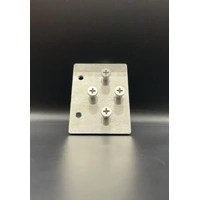
10 Pack
Cooper Bussmann BUSSNW-HSB | Nylon M5 Screw & Nut to suits Service Fuses | 10 Pack
$5.38
$4.89 ex. GST
Search Results:
Search Results:
The meter box is the legal handover point between the distribution network and the consumer installation. Service mains arrive from the street, terminate at the service fuse, and feed the energy meter. From there, the consumer mains run to the main switch and the property switchboard.
This single enclosure performs three critical jobs. It records energy consumption for billing. It provides accessible isolation for emergency or maintenance work. It protects live components from weather, vermin, and unauthorised access.
A standard Australian meter box contains a service link or service fuse, an energy meter (smart or accumulation type), neutral and earth bars, and the main switch. Many boards also include a kilowatt-hour meter for tariff metering and provision for solar export metering.
Quality boards include features like the Hager clip-and-turn DIN rail, lockable door hasps, and supplied neutral bars. Premium products such as kilowatt-hour meters and metering neutral blocks reduce labour time during connection.
The meter box holds the network connection and metering. The switchboard distributes power to final circuits via circuit breakers and residual current devices. In smaller installations, both functions sit in one combined enclosure. Larger sites separate them into a network meter cabinet and a downstream distribution board.
The meter box is where network ownership ends, and consumer responsibility begins. This split affects who pays for repairs, who can access the equipment, and which standards apply on each side. Network distributors retain authority over metering and tampering rules.
The main switch inside the meter box gives a single point of isolation for the entire property. During emergencies such as fire, flood, or electrocution risk, this switch shuts off all power. Service fuses and main switches must be reachable, clearly labelled, and rated for the prospective fault current at that point.
Smart meters communicate consumption data back to the network in real time. They support time-of-use tariffs, solar export tracking, and remote disconnection. Modern meter boxes are sized to fit smart meters with data modules. They include space for additional circuit protection devices required for solar and battery systems.
Surface mount boxes attach to the outside face of a wall. They suit retrofits, brick walls, and any site where cutting a recess is impractical. Flush (recessed) boxes sit inside the wall cavity and present a flat, low-profile finish. Recessed installation needs a planned wall cavity in new builds or significant renovation work.
Most Australian homes use a single phase 230V supply with a 63A or 100A main switch. Larger homes, workshops, and commercial sites need three phase 400V supply for higher loads. Single phase meter boxes handle one active conductor, while three phase meter boxes handle three actives plus neutral and earth.
Apartment blocks, retail centres, and shared sites use multi-meter cabinets. Each tenant gets a separate meter and isolation point inside a common enclosure. Embedded network metering is common in body corporate sites where one bulk supply feeds individually metered units.
Powder-coated steel is the traditional choice for Australian meter boxes. Steel resists impact, deters tampering, and provides strong physical security. The downside is corrosion in coastal or humid sites, particularly where the powder coating chips or scratches.
Polycarbonate boards do not rust. They suit coastal, swimming pool, and high-humidity sites where steel fails early. UV-stabilised polycarbonate maintains its impact rating in direct sunlight. The trade-off is lower physical security compared with steel.
Glass reinforced polyester (GRP) and fibreglass boards handle chemical exposure, salt spray, and industrial atmospheres. They appear in mine sites, food processing plants, and marine facilities. Fibreglass costs more than steel or polycarbonate but lasts decades in conditions that destroy other materials.
Outdoor meter boxes in Australia typically need an IP rating of IP54 or higher. IP54 protects against dust ingress and splashing water from any direction. IP65 boards handle low-pressure water jets and full dust sealing. IP66 enclosures resist heavy seas and powerful water jets.
Within five kilometres of the coast, salt-laden air accelerates corrosion on standard steel. Polycarbonate or marine-grade enclosures avoid this. Tropical North Queensland and other high-rainfall zones need IP65 or IP66 with quality door seals.
Indoor meter boxes inside a garage or laundry can use IP40 or IP44 ratings. Surface mount enclosures for outdoor use should always be IP54 or higher. Pool plant rooms, irrigation pump sheds, and unprotected outdoor walls need IP66.
AS/NZS 3000:2018 (the Wiring Rules) sets the minimum legal requirements for electrical installations across Australia and New Zealand. Section 2 covers main switchboards, isolation, and protection. The standard mandates accessible main switches, correct fault current ratings, and clear labelling on all enclosures.
Each Australian distributor publishes its own service and installation rules on top of the Wiring Rules. Energex, Ergon, Ausgrid, Endeavour Energy, Essential Energy, AusNet, Powercor, and Western Power all have specific requirements for meter box position, height, clearances, and approved equipment lists. Always check the local distributor manual before specifying a board.
Meter boxes sold for grid-connected use carry approval marks from regulatory bodies. Service links and meter isolators often need state-specific approval, such as the QLD-approved Energex products. After installation, a Certificate of Electrical Safety (CoES) or equivalent compliance certificate is lodged before the network energises the supply.
Compliance reminder: Meter box work is restricted to licensed electrical contractors. DIY meter box installation is illegal in every Australian state and territory. Use a licensed sparky for any work upstream of the main switch.
Older asbestos-backed meter boxes need replacement during any upgrade work. Boards with rust holes, cracked enclosures, or insufficient space for current code-compliant protection also need replacing. Many homes built before 1980 have undersized boards that cannot fit a modern safety switch on every circuit.
Smart meter rollout has driven demand for larger meter boxes with extra space behind the meter for communication modules. Most modern boards include this space as standard. Older boards may need an enclosure upgrade before the smart meter swap.
Solar PV installations need extra DIN rail space for AC isolators, solar circuit breakers, and a bidirectional meter. Battery storage adds further isolation devices. Solar circuit breakers belong on a dedicated DIN rail with clear labelling. Plan the meter box for at least 30 percent extra capacity if solar or battery installation is on the horizon.
Calculate the maximum demand using AS/NZS 3000 Appendix C, then add capacity for foreseeable additions. A modern home with electric hot water, induction cooking, ducted air conditioning, an EV charger, and solar needs significantly more pole positions than a 1980s build.
Inland metropolitan and rural sites: powder coated steel performs well. Coastal sites within five kilometres of the ocean: polycarbonate or marine-grade enclosures. Industrial, agricultural chemical, or marine sites: fibreglass GRP. Mining and explosive atmosphere sites need additional certifications.
Verify the board appears on the local network distributor's approved equipment list before purchase. Approval lists change. Specifying an unapproved board causes delays at the meter swap or new connection stage. Network audits can also force the replacement of non-compliant equipment at the owner's expense.
Surface boards mount entirely outside the wall. They are simpler to install, easier to service, and work on any wall type. Flush (recessed) boards sit inside the wall cavity and finish flush with the wall surface for a cleaner look. Recessed enclosures need a prepared cavity and add labour cost.
| Feature | Surface Mount | Flush Mount |
|---|---|---|
| Installation labour | Lower | Higher |
| Suits retrofits | Yes, any wall | Cavity required |
| Visual profile | Box protrudes | Flat finish |
| Service access | Easy from front | Front only |
| Brick wall | Direct fix | Cavity needed |
New builds can specify either format. The architect should plan the meter location early so the wall framer accommodates a flush cavity. Existing homes usually default to surface mount, since cutting a flush recess into existing brick or rendered walls adds significant cost.
Where the meter box faces the street or sits prominently on a feature wall, flush mounting improves kerb appeal. Where the box sits on a side wall, garage, or service yard, surface mounting saves money without affecting the look of the property.
Only a licensed electrical contractor can install or modify a meter box in Australia. The licence requirement covers all work from the service link inwards. Penalties for unlicensed work include fines and possible criminal charges, plus voided home insurance after any incident.
The electrician submits an Electrical Work Request (EWR) or equivalent notification to the network distributor before energising the supply. The distributor schedules the meter installer and the supply connection. This coordination avoids costly site revisits.
After completion, the electrician issues a Certificate of Electrical Safety (or state equivalent) confirming the work meets AS/NZS 3000. The local network or regulator may inspect a sample of jobs. Keeping the certificate on file protects both owner and contractor.
A basic single-phase pre-wired meter box for a domestic upgrade ranges from a few hundred dollars to over a thousand, depending on brand and inclusions. Three-phase units cost more. Add the labour, network charges, and any inspection fees to the budget for the full project.
Installation cost depends on the existing site condition, asbestos removal needs, network connection charges, distance from the street pit, and any rectification of the consumer mains. Flush mounting in existing walls adds carpentry and patching cost. Coastal or remote sites add travel.
Get itemised quotes covering the meter box, the labour, the network fees, and any rectification work. Ask whether the price includes the inspection fee and the certificate of compliance. Compare like-for-like products: a cheap unbranded enclosure may not pass network audit.
Sparky Direct stocks the full range of Australian-approved meter boxes from Queensland Switchboards, National Light Sources (NLS), and Clipsal. Online ordering with fast Australia-wide delivery suits trade and homeowner buyers alike.
Trade-grade boards from Hager and Legrand include higher-rated components, factory-fitted neutral bars, and lockable fittings. Cheaper imports may meet the basic standard but often lack the build quality, accessory support, and network approval needed for grid connection.
Confirm the board carries Australian approval marks. Check it appears on the local network distributor's approved list. Verify the IP rating matches the installation environment. Count the available pole positions and confirm there is room for future additions like solar isolators and battery cut-offs.
Visually inspect the meter box every six months. Check for rust, cracked enclosures, water staining inside the door, and signs of insect or rodent activity. Test the main switch operation annually. Push-test all RCDs every six months as recommended by AS/NZS 3000.
Burnt smells, discoloured terminals, buzzing noises, and warm enclosure surfaces all indicate faults. Trees growing into service mains, corroded service link contacts, and water ingress through the gland plate are common defects on older installations. Call a licensed electrician if any of these appear.
Non-compliant boards risk fire, electric shock, and insurance claim refusal after any incident. Older asbestos-backed enclosures are illegal to drill, cut, or sand. Anyone working on them needs specific asbestos handling protocols. Network audit failures force expensive emergency replacement.
Repeated tripping usually points to a circuit fault, not the meter box itself. Check the offending circuit before suspecting the board. Persistent main switch tripping or the entire property losing power suggests a fault upstream, possibly on the network side. Always start with the local circuit.
Water inside the meter box is a serious safety hazard. Isolate the supply if possible, then call a licensed electrician immediately. The cause is usually a failed door gasket, a cracked enclosure, or water tracking down the consumer mains. Repair often involves enclosure replacement.
Meter boxes blocked by garden growth, stored items, or extensions added without electrical relocation create access problems. The network distributor can refuse to read or maintain the meter, forcing relocation work. Keep at least 600mm clear space in front of any meter box.
Club Clipsal is Australia's largest electrician community offering trade rewards, business support, and exclusive benefits. When you nominate Sparky Direct as your preferred wholesaler, we automatically apply your Clipsal spend points to your Club Clipsal account daily.
Entry-level offering coaching, mentoring, and training discounts
Unlock exclusive industry tools and networking events
Access Toyota fleet offers and business software discounts
Maximum benefits, including VIP experiences and rewards
1. Sign Up: Create your Club Clipsal account at clipsal.com/club-clipsal or via the iCat mobile app
2. Nominate Sparky Direct: Select Sparky Direct from the wholesaler dropdown menu in your profile
3. Add Email: Enter your Sparky Direct account email address in the membership number field
4. Start Earning: Every dollar spent on Clipsal products earns points automatically
Redeem points from the rewards store, including gift cards, tools, and experiences. Access business summits, product training, and industry networking events. Receive early access to new product launches and special promotions. Connect with fellow electricians via the Club Clipsal community app.
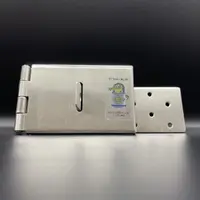
Watch Cooper Bussmann HSB22BWCL-Q | 100-125A Meter Isolator Service Link | Back Wired Clear | QLD Approved video
Watch Crocodile Lock EXGL-2 | Energex Gate Lock and 2 Keys (SE-QLD ONLY) video
Watch Energex CL-1SS | Energex Crocodile Meterbox/Cabinet Clasp | Stainless Steel (Padlock Not Included) video

The duck's nuts of switchboards, treat your sparky to a little comfort with this delux switchboard. Future electricians will praise you for spending the extra $$$. Features the hagar clip and turn the din rail to work easily top and bottom of the circuit breakers. No expense spared with the supplied MIL's, neutral bars and metering neutral block, the lockable door hasp and what more could u ask for in a board?
My electrician has been looking everywhere for this item. Very easy to purchase from this company. I did not have to put up with - I can't sell to you unless you have an electrical license like I have had with other companies. Information on the website made it very easy for me to purchase the correct item(s) I required.
Having tried other enclosures which leaked I looked to Sparky for an IP66 initial. The unit has the necessary hardware for easy use. The din rail has only a small space to run wiring behind it so careful planning is necessary. Else, the quality is good and the price is OK. So far there has been no water ingress.
Quality products in stock • Fast Australia-wide delivery • Competitive trade pricing
Browse Meter Boxes → Get Expert Advice →It ensures long-term protection and reliable operation of electrical metering equipment.
Sparky Direct supplies meter boxes Australia-wide, offering durable and secure metering solutions with convenient delivery.
Meter boxes are securely packaged and delivered via standard courier services.
Unused products are generally eligible for return according to the seller’s returns policy.
Warranty coverage varies by manufacturer and typically covers defects in materials or workmanship.
Meter boxes are typically sold as empty enclosures ready for fit-out. However, we do have a small range of pre-wired switchboards available as well.
Yes, selecting the correct size and type ensures compliance and future capacity.
Yes, quality meter boxes are designed for extended service life.
Yes, they provide a dedicated enclosure for meters and related wiring.
Yes, they are usually visible and accessible for meter reading and maintenance.
Yes, meter boxes are often upgraded during major renovations or electrical upgrades.
Yes, they are required for new residential constructions.
Yes, they are a standard component in residential and commercial electrical installations.
Modern designs aim to be neat and unobtrusive while remaining functional.
Yes, quality meter boxes are built to withstand harsh outdoor conditions.
Yes, you can, and it's generally recommended. Securing your electricity meter box with a lock protects it from potential vandalism or unauthorised access. However, you should also ensure utility workers can access it for routine inspections or maintenance. For this reason, it's often best to use a lock for which your utility company has a master key, such as the one mentioned above. Sparky Direct offers the Energex EXCY234-1 crocodile padlock with one key.
Yes, they are designed to restrict access and protect metering equipment.
Yes, they are available in various sizes to suit different meter and equipment requirements.
Many meter boxes are designed to be weather-resistant for outdoor installation.
They are commonly made from metal or durable plastic designed for outdoor use.
Yes, meter boxes are also used in commercial and industrial electrical installations.
Yes, residential properties typically require a meter box to house the electricity meter.
They are commonly installed on external walls, boundary locations, or designated service areas.
Quality meter boxes are manufactured to meet relevant AS/NZS electrical and safety standards when installed correctly.
They protect electricity meters and associated wiring from damage, weather, and unauthorised access.
Meter boxes are secure electrical enclosures used to house electricity meters and related electrical equipment.
While the switchboard and meter box are critical components of your electrical system, they serve different purposes. The meter box, as mentioned, houses your electricity meter and provides a protective barrier from external elements. On the other hand, a switchboard, also known as an electrical panel, controls individual electrical circuits. It allows you to turn off power to certain areas of the property and provides a safety mechanism in case of electrical overloads or short circuits. Browse switch boards.
In Queensland, the standard size for an electricity meter box is approximately 600mm (height) x 500mm (width) x 220mm (depth). However, the size may vary depending on the specific model and installation requirements. Always check with your local regulations or electrician for precise measurements.
Yes, painting your electric meter box can be an excellent way to make it blend with your home's exterior aesthetics. However, it's crucial to use weather-resistant, non-conductive paint and to avoid painting over any important labels, readings, or seals. Always ensure you're not obstructing the view or access to the meter.