

4 Pin Socket Outlet
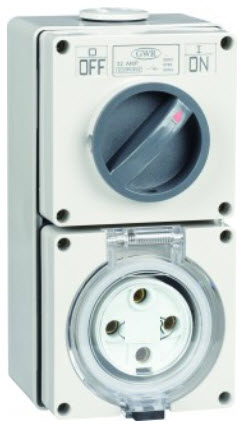
Find the best 4-pin industrial sockets & outlets here at Sparky Direct. [ Read More ]
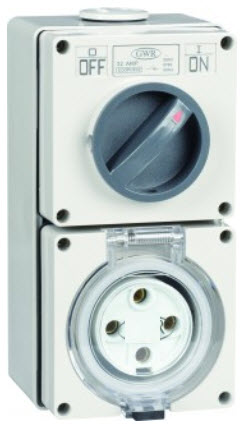
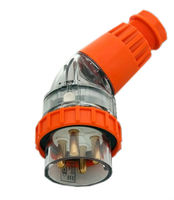
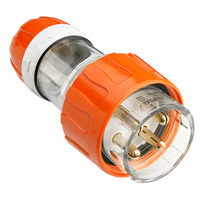
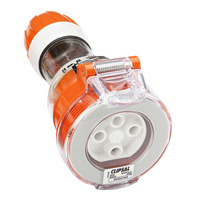




What Are IP66 4 Pin Industrial Socket Outlets?
Table of Contents
- What 4 Pin Industrial Socket Outlets Are and Why They Matter
- Understanding IP66 Protection in Industrial Equipment
- Where to Buy 4 Pin Industrial Socket Outlets in Australia
- How 4 Pin Industrial Sockets Work
- 4 Pin vs 3 Pin vs 5 Pin Configurations
- Voltage, Current Ratings, and Load Selection
- Colour Coding and Keying Systems
- Materials and Construction for Industrial Reliability
- Sealing, Gaskets, and Maintaining IP66 Rating
- Installation Considerations and Compliance
- Applications Across Industrial and Trade Environments
- Choosing the Right 4 Pin Socket for Your Application
- Performance Factors and Quality Indicators
- Common Problems and Troubleshooting
- Maintenance, Inspection, and Replacement
- Trade Applications and Buying Considerations
- Cost, Value, and Buying Strategies
- Product Videos
- What Sparky Direct Customers Say
- Quick Summary (TL;DR)
- Frequently Asked Questions about 4 Pin Industrial Outlets
What 4 Pin Industrial Socket Outlets Are and Why They Matter
Definition of 4 Pin Industrial Sockets
A 4 pin industrial socket is a sealed connector designed for three-phase power with a neutral conductor. The four pins handle three active phases (L1, L2, L3) plus the neutral (N), and an external earth path is provided through the housing or a separate earth lug. These sockets are built to a higher mechanical and electrical standard than domestic power points, which makes them suited to fixed industrial use.
Role in Three-Phase Power Distribution
Three-phase power is the backbone of Australian industrial supply. It moves much higher loads than single-phase circuits while keeping cable sizes manageable. A 4 pin socket gives a clean termination point for three-phase plus neutral feeds, which is the right configuration when equipment needs both 415V three-phase and a 240V neutral reference for control circuits or accessories.
Why Industrial Sockets Are Used Over Domestic Options
Standard domestic outlets are not built for the currents, environments, or duty cycles of industrial use. Industrial 4 pin sockets carry higher amp ratings (commonly 20A, 32A, 40A), use thicker contact pins, and are housed in impact-resistant casings. The IP66 sealing also keeps them functional in conditions that would quickly destroy a domestic GPO.
Understanding IP66 Protection in Industrial Electrical Equipment
What IP66 Means (Dust-Tight and Water Jet Protection)
The IP66 rating is set by IEC 60529 and defines two protection levels. The first digit (6) means the enclosure is fully dust-tight: no particles can enter. The second digit (6) means the enclosure resists powerful water jets from any direction without harmful ingress. For an industrial socket, that combination is essential.
IP66 vs IP54, IP55, and IP67
Lower ratings let small amounts of dust or splashing water through. An IP54 enclosure is only dust-protected (not dust-tight), and an IP55 only handles low-pressure water jets. IP67 covers temporary submersion but can come at higher cost and bulk. For most outdoor or wet industrial sites in Australia, IP66 hits the right balance of protection and practicality.
Why IP66 Is the Standard for Harsh Australian Environments
Australian sites face dust storms, summer downpours, coastal salt spray, and high-pressure washdowns in food and processing facilities. IP66 handles all of these. It is also the rating most commonly specified by Australian standards and trade specifications, which keeps procurement simple across multiple sites and projects.
Where to Buy 4 Pin Industrial Socket Outlets in Australia
Electrical Wholesalers vs Online Suppliers
Traditional counter wholesalers carry stock for trade pickup, but pricing is often higher and stock can be limited to a few brands. Online wholesalers like Sparky Direct ship Australia-wide with broader inventory across NLS, Clipsal, and GEN3, often at trade-friendly prices.
What to Look for in a Reliable Supplier
Look for suppliers who carry certified products from established brands, hold real stock rather than drop-shipping, and offer fast dispatch. Clear product specifications, accurate IP ratings, and visible compliance markings on the product page are also strong signals of a reliable supplier.
Bulk Buying, Trade Supply, and Fast Delivery
For larger projects, bulk pricing on industrial sockets can deliver real savings. Sparky Direct dispatches stocked items quickly and supplies trade customers nationally. Stock orders typically ship the same business day when placed early, which keeps site work on schedule.
How 4 Pin Industrial Sockets Work
Three-Phase Plus Neutral Configuration Explained
A 4 pin socket terminates three live conductors and a neutral. The phases are offset by 120 electrical degrees, which delivers smooth power for motors, compressors, and large heating loads. The neutral provides the return path for any unbalanced single-phase loads tapped from the three-phase supply.
Socket and Plug Interface
The socket is the fixed female outlet mounted on a wall, panel, or enclosure. The plug is the male connector wired into the equipment lead. Pins and tubes are arranged in a fixed pattern with mechanical keying so they only mate one way. This stops cross-connection between different voltages or pin counts.
Importance of Matching Plug and Circuit Type
The plug must match the socket on pin count, current rating, and voltage. A 4 pin 32A plug will not fit a 5 pin 32A socket, and a 4 pin 20A plug will not fit a 4 pin 32A outlet. This is a deliberate safety feature that prevents equipment from being connected to a circuit it was not designed for.
4 Pin vs 3 Pin vs 5 Pin Industrial Socket Configurations
When to Use 4 Pin (3 Phase + Neutral)
The 4 pin configuration suits equipment that needs three-phase power but also draws a single-phase load through the neutral. This includes some compressors, mixers, and machinery with onboard 240V control systems. It is also the right choice when neutral is required by the equipment specification.
Differences in Circuit Requirements
A 3 pin industrial socket carries single-phase power (active, neutral, earth) and is rated for currents like 10A, 15A, 20A, and 32A. A 4 pin socket adds two more phases and drops the dedicated earth pin (earth is bonded externally). A 5 pin socket carries three phases, neutral, and earth in a single connector. Browse the related ranges: IP66 3 pin industrial outlets and IP66 5 pin industrial outlets.
Risks of Incorrect Pin Selection
Choosing the wrong pin count can cause equipment damage, nuisance tripping, or unsafe connections. A licensed electrician should verify the equipment requirements before specifying or installing any industrial socket. Mechanical keying provides a safeguard, but only when the correct mating plug is also used.
| Configuration | Pins | Typical Use | Voltage |
|---|---|---|---|
| 3 Pin | Active, Neutral, Earth | Single-phase equipment | 240V |
| 4 Pin | L1, L2, L3, Neutral | 3-phase plus neutral loads | 415V / 240V |
| 5 Pin | L1, L2, L3, Neutral, Earth | 3-phase with integrated earth | 415V / 240V |
Voltage, Current Ratings, and Load Selection
Common Ratings (32A, 63A)
Australian industrial 4 pin sockets are most commonly rated 20A, 32A, and 40A at 500V AC. The 32A rating covers a large portion of small to mid-size machinery, while 40A handles heavier compressors, welders, and three-phase motors. Higher ratings such as 63A are used for larger fixed plant and switchboards.
Matching Socket Rating to Equipment Load
The socket rating must equal or exceed the full-load current of the equipment, with allowance for inrush on motors and inductive loads. Sizing too close to the rated load creates heat and shortens contact life. A licensed electrician will calculate the working load and select a socket with adequate headroom.
Planning for Future Load Requirements
It is common to install a higher-rated socket where future equipment may be added. Upgrading the socket later is more disruptive than fitting a 32A or 40A unit at the start, so factor expected load growth into the original specification.
Colour Coding and Keying Systems
IEC Colour Coding (Red for 415V Three Phase)
Industrial sockets follow IEC 60309 colour coding. Red indicates 415V three-phase, blue indicates 230V single-phase, yellow indicates 110V (rare in Australia), and grey indicates extra-low voltage. The red 4 pin socket is the standard you will see across Australian three-phase installations.
Mechanical Keying for Safety
Each combination of voltage and current rating uses a different mechanical key position. The earth or main alignment pin sits at a clock-face position that varies with voltage. This stops a 110V plug being inserted into a 415V outlet, even if both have the same number of pins.
Preventing Incorrect Connections
Colour and keying together create a two-layer safety system. The colour gives a visual cue at distance, and the mechanical key blocks physical mating with incompatible circuits. This pairing has reduced cross-voltage incidents on industrial sites significantly since IEC 60309 was widely adopted.
Materials and Construction for Industrial Reliability
Polycarbonate and Reinforced Nylon Housings
Most quality 4 pin sockets use UV-stabilised polycarbonate or glass-reinforced nylon. These plastics resist impact, chemicals, and UV exposure across a wide temperature range. They also keep weight down compared to metal housings, which makes installation and handling easier.
Metal Housing Options for Extreme Environments
Cast aluminium or steel housings are available for sites with severe impact risk or high ambient heat. They cost more, weigh more, and add corrosion considerations, but they are the right call for heavy mining, foundries, and similar environments.
Contact Materials and Conductivity Performance
Contact pins and tubes are typically brass or nickel-plated brass. Plating resists oxidation and keeps contact resistance low, which controls heat at the connection point. Cheaper sockets may use thinner or unplated brass, and these tend to fail earlier under repeated mating cycles.
Sealing, Gaskets, and Maintaining IP66 Rating
Gasket Materials and Compression Seals
The IP66 seal relies on an elastomer gasket between the cover and body, plus an O-ring or compression seal at the cable entry. Quality sockets use neoprene or silicone gaskets that hold compression over years of service. Cheaper EPDM seals can harden and crack under sun exposure.
Protective Covers and Flap Mechanisms
A spring-loaded flap covers the socket when no plug is inserted. The flap seats against the gasket to maintain the IP66 rating in storage. Some designs use a screw cap or threaded cover for higher exposure environments.
Common Causes of Seal Failure
Seals fail from age, UV degradation, chemical attack, or physical damage during plug insertion. A torn or compressed gasket loses the IP66 rating immediately. Routine inspection should check the gasket for visible cracks, flat spots, or missing sections.
Seal Inspection Tip
If the gasket looks shiny, glossy, or has obvious flat spots from compression, replace it. Restoring the IP66 rating is much cheaper than replacing equipment damaged by water ingress at the connection point.
Installation Considerations and Compliance
Surface, Flush, and Panel Mount Options
Surface mount sockets attach directly to a wall or post and are the most common configuration. Flush mount sockets sit inside a recessed enclosure, which gives a cleaner finish in offices and showrooms. Panel mount versions fit into switchboards or control cabinets.
Cable Glands and Sealed Entry Points
The cable entry is a critical sealing point. A correctly sized cable gland compresses around the cable jacket and keeps water and dust out. Mismatched gland sizes are a frequent cause of IP66 failure on otherwise compliant installations. Gland sizes commonly used range from 20mm through to 32mm depending on cable diameter.
Compliance with AS/NZS 3000 and 3123
Installations must comply with AS/NZS 3000:2018 (the Wiring Rules) and AS/NZS 3123 covers approved plugs and socket-outlets for industrial use. These standards set the rules for circuit protection, conductor sizing, earthing, and product approval. Working outside the standards puts people and property at risk.
Licensed Electrician Requirement
Installation, modification, or replacement of industrial socket outlets is restricted work in every Australian state. Only a licensed electrician can carry out this work legally. Sparky Direct supplies the products; the installation must be performed by a qualified tradesperson.
Compliance reminder: Industrial socket installation is licensed work under AS/NZS 3000:2018. DIY installation is not permitted and may void insurance and product warranties.
Applications Across Industrial and Trade Environments
Construction and Temporary Power Distribution
Construction sites use 4 pin sockets on temporary distribution boards to feed welders, mixers, and power tools. The IP66 rating handles dust, rain, and rough handling. RCD protection is mandatory on temporary supplies, and many sockets are available with integrated RCD protection.
Food Processing and Washdown Facilities
Food production sites face daily high-pressure washdowns with chemicals and hot water. IP66 sockets handle this routine, especially when paired with corrosion-resistant housings. Hygiene compliance often drives the choice of sealed industrial sockets over older designs.
Mining, Resources, and Heavy Industry
Mining sites combine dust, vibration, and chemical exposure. Industrial 4 pin sockets in mining typically use reinforced housings and additional sealing. Spec sheets should be checked against site conditions before purchase.
Infrastructure and Outdoor Installations
Pump stations, water treatment plants, wastewater facilities, and outdoor rural sheds all rely on IP66 sockets for three-phase distribution. Long service life and minimal maintenance access make sealed industrial sockets the only practical option.
Choosing the Right 4 Pin Socket for Your Application
Environmental Conditions and Exposure
Match the socket to the worst conditions it will face. A coastal site needs corrosion-resistant housings and gaskets. A washdown environment needs verified IP66 (not IP65) and chemical-resistant materials. Temperature extremes call for cold-rated plastics and seals.
Load Requirements and Usage Frequency
Plug-and-socket combinations are rated for a finite number of mating cycles, typically 5,000 to 10,000 for quality units. High-frequency use, such as welders moved between bays many times daily, calls for sockets with the highest cycle ratings.
Compliance and Certification Verification
Look for sockets carrying the RCM (Regulatory Compliance Mark) or equivalent Australian certification. Approved products meet the safety, performance, and labelling requirements set out in AS/NZS 3123 and related standards.
Avoiding Common Selection Mistakes
The most common selection mistakes are: choosing the wrong pin count, undersizing the current rating, picking a lower IP rating to save cost, and pairing the socket with an inadequately sized cable gland. Each of these compromises safety or reliability.
Selection Checklist
- Pin count matches equipment
- Current rating exceeds load
- IP66 verified (not IP65)
- Australian compliance marking
Environment Factors
- Indoor or outdoor exposure
- Chemical or salt presence
- Temperature extremes
- Impact and vibration risk
Installation Factors
- Mount type (surface, flush, panel)
- Correct cable gland size
- Adequate switchboard space
- RCD protection requirements
Performance Factors and Quality Indicators
Durability Under Impact and Repeated Use
Quality industrial sockets withstand drops, knocks from passing equipment, and repeated plug insertion. Look for the IK impact rating in addition to the IP rating. IK08 and above offers good drop and impact resistance.
Heat Resistance and Contact Integrity
Loose or worn contacts heat up under load. Quality sockets keep contact resistance low across thousands of cycles. Heat-resistant plastics rated to at least 80°C should be used for the housing and contact carrier.
Certification and Brand Reliability
Established brands like NLS, Clipsal, GEN3, and Hager carry compliance approvals and have known service track records. Browse industrial sockets from Clipsal Easy56 or compare with the broader Clipsal 56 Series industrial range. Unbranded or grey-import products are best avoided for industrial work.
Common Problems and Troubleshooting
Overheating Due to Poor Connections
Heat at the socket usually points to loose terminations, worn contacts, or undersized cable. Discoloured pins, melted plastic around contacts, and a burning smell are clear warning signs. Take the equipment out of service and call a licensed electrician.
Water Ingress from Seal Failure
Tripping circuit breakers, corrosion on contacts, or visible moisture inside the socket all point to seal failure. Replace the gasket if available, or replace the socket entirely if damage has reached the contacts.
Incorrect Socket Selection
Equipment that does not run correctly, draws excess current, or trips RCDs may be connected to the wrong socket type. Verify that the pin count, voltage, and current rating match the nameplate of the equipment exactly.
Wear from High Cycle Use
Sockets used many times a day eventually show pin wear, sloppy plug fit, and intermittent connection. Worn sockets cause arcing and heating. Replace any socket where the plug feels loose or where visible pitting appears on the contacts.
Maintenance, Inspection, and Replacement
Routine Visual Inspection Practices
Schedule visual inspections every six months on heavily used sockets, annually on lighter use. Check for cracked housings, damaged covers, missing screws, and gasket integrity. Document findings as part of site safety records.
Cleaning and Chemical Compatibility
Wipe sockets with a damp cloth and mild detergent. Avoid solvents that can damage gaskets or attack the housing material. In food sites, follow the manufacturer's chemical compatibility list before any sanitiser is applied.
Gasket and Cover Maintenance
Replacement gaskets are available for many quality industrial sockets. Renewing the gasket every two to three years on outdoor sockets restores the IP66 rating cheaply. Ensure the new gasket is the correct part number for the exact model.
Replacement Intervals and Lifecycle Management
Industrial sockets typically last 10 to 15 years with proper care. Plan replacement before failure: add inspection records to the site asset register, track cycle counts on high-use units, and budget for proactive replacement of older sockets in critical positions.
Trade Applications and Buying Considerations
Electricians and Industrial Installations
Licensed electricians fitting fixed three-phase machinery rely on quality 4 pin sockets every working week. Stock the common ratings (20A, 32A, 40A) on the truck for quick replacement work. Combine with appropriate three-pole circuit breakers for complete circuit protection.
Contractors and Temporary Site Power
Site contractors set up temporary distribution to feed welders, lifts, mixers, and other plant. RCD-protected versions are particularly suited to construction sites. Check the latest site safety rules in your state before choosing.
Facility Managers and Maintenance Teams
Maintenance teams need a steady supply of replacement parts to keep production running. Standardising on one or two preferred brands across a site simplifies storeroom management and training.
Bulk Procurement for Projects
Large fitouts and new builds order industrial sockets in bulk. Sparky Direct can handle bulk orders with project pricing, and trade accounts give visibility on stock and order history.
Cost, Value, and Buying Strategies
Budget vs Certified Industrial Products
Cheap unbranded sockets save money at purchase but cost more across the install life. Certified products from established brands offer documented compliance, parts availability, and reliable contact performance. The price difference is usually modest at the point of sale.
Cost of Failure vs Upfront Investment
A failed industrial socket can take a production line down for hours and put a worker at risk. The replacement cost of a quality socket is small compared to the lost production, repair time, and potential incident response. Quality matters most where uptime matters most.
Bulk Buying for Worksites
Sites with many similar circuits benefit from bulk purchase of identical sockets. This simplifies maintenance, training, and stock management. Sparky Direct offers volume pricing on industrial socket lines.
Long-Term Value of Quality Equipment
A quality 4 pin industrial socket installed correctly will last 10 to 15 years with minimal attention. The value sits in the years of trouble-free service, not just the day of purchase. Choose the best socket the budget allows.
Product Videos
Watch NLS 66P440 | 4 Pin 40Amp Straight Plug IP66 | 30609 video
Watch NLS 66PA420 | 4 Round Pin 20Amp Angled Plug IP66 | 30473 video
Watch NLS 66CV420 | 4 Pin 20Amp Switched Socket Outlet IP66 | 30491 video
What Sparky Direct Customers Say

Fast Service and great quality product. I ordered this in the afternoon and it was shipped within less than 20 minutes, Australia express post delivered it the next day! Very reliable and will have confidence to use again!
Great service every time thats why I always come back to Sparky Direct. If you order the worng parts there is never any issue with replacement.
Website was smooth and easy to use. Best pricing for this product compared to competitors and freight was quick. Great quality.
- IP66 4 pin industrial socket outlets carry three-phase power plus neutral, sealed against dust and powerful water jets.
- Common Australian ratings are 20A, 32A, and 40A at 500V AC, with the red IEC colour for 415V three-phase circuits.
- Mechanical keying and IEC 60309 colour coding prevent cross-connection between different voltages and current ratings.
- Installation must comply with AS/NZS 3000:2018 and AS/NZS 3123, and must be carried out by a licensed electrician.
- Quality sockets from established brands offer 10 to 15 years of service with routine inspection and gasket maintenance.
- Match pin count, current rating, IP rating, and cable gland size to the application to avoid the most common selection mistakes.
Shop 4 Pin Industrial Socket Outlets at Sparky Direct
Quality products in stock • Fast Australia-wide delivery • Competitive trade pricing
Browse 4 Pin Industrial Outlets → Get Expert Advice →IP66 4 Pin Industrial Outlets and Sockets Frequently Asked Questions
Do IP66 4 pin outlets improve workplace safety?
Yes. Their sealed design helps reduce the risk of electrical faults caused by moisture or contaminants.
IP66 4 Pin Industrial Outlets and Sockets near me
IP66 4 pin industrial outlets and sockets are available from Sparky Direct, offering access to durable electrical products with Australia-wide delivery.
Is delivery available for IP66 4 pin industrial outlets and sockets?
Delivery availability depends on the supplier and location, with options across metropolitan and regional Australia.
Can IP66 4 pin outlets be used for upgrades or replacements?
Yes. They are suitable for new installations, upgrades, and replacing existing industrial outlets.
Do IP66 4 pin industrial outlets and sockets come with a warranty?
Warranty coverage depends on the manufacturer and supplier, with conditions applying to correct installation and use.
What should I consider before buying IP66 4 pin industrial outlets and sockets?
Consider voltage and current rating, mounting type, environmental exposure, and electrician recommendations.
How long do IP66 4 pin industrial outlets typically last?
With correct installation and use, they are designed for long service life in demanding environments.
Are IP66 4 pin outlets suitable for machinery connections?
Yes. They are commonly used to power industrial machinery and equipment.
Do IP66 4 pin outlets require regular maintenance?
They generally require minimal maintenance but should be inspected during routine electrical checks.
Are IP66 4 pin outlets suitable for continuous use?
Yes. When correctly rated and installed, they are suitable for regular and ongoing operation.
Can IP66 4 pin outlets be used in agricultural settings?
Yes. They are commonly used in agricultural and rural environments due to their weather resistance.
Are these outlets bulky in design?
They have a robust, industrial design prioritising durability and protection.
Are IP66 4 pin outlets suitable for wash-down areas?
Yes. The IP66 rating makes them suitable for areas exposed to water jets during cleaning.
What are IP66 4 pin industrial outlets and sockets?
IP66 4 pin industrial outlets and sockets are heavy-duty electrical connection devices designed for industrial environments, featuring four-pin configurations and high protection against dust and water.
Are IP66 4 pin outlets easy to use?
Yes. They are designed for secure, straightforward connection and disconnection by trained personnel.
Why choose IP66 rated outlets in industrial environments?
They provide reliable protection against dust and water, helping maintain safe operation in tough conditions.
Is professional installation required for IP66 4 pin industrial outlets and sockets?
Yes. Installation must be carried out by a licensed electrician to ensure safety and compliance.
Are IP66 4 pin industrial outlets surface mounted?
Many models are surface mounted, making them suitable for exposed installations in industrial settings.
Are IP66 4 pin outlets compatible with matching industrial plugs?
Yes. They are designed to mate with corresponding 4 pin industrial plugs of the same rating and configuration.
What voltage ratings are available for IP66 4 pin industrial outlets?
Voltage ratings vary by product and application and should be selected according to system requirements and manufacturer specifications.
Are IP66 4 pin industrial outlets suitable for outdoor use?
Yes. The IP66 rating makes them suitable for outdoor and wash-down environments when installed as specified.
Where are IP66 4 pin industrial outlets commonly used?
They are commonly used in factories, workshops, outdoor installations, agricultural sites, and industrial facilities.
Do IP66 4 pin industrial outlets and sockets comply with Australian standards?
Products supplied in Australia are designed to meet relevant AS/NZS electrical and safety standards when installed correctly.
What is the purpose of a 4 pin configuration?
A 4 pin configuration is typically used for three-phase power with an earth connection, supporting higher power requirements.
What does the IP66 rating mean for industrial outlets and sockets?
IP66 indicates the outlet or socket is fully protected against dust ingress and strong water jets, making it suitable for harsh environments.