

Wall Mount
CLEARANCE
Victron Energy BPC920100200 | Wall Mount for 12/10, 12/15, 24/8 Blue Smart IP65 Chargers
$7.99
$7.26 ex. GST
Search Results:
Search Results:
For a licensed electrician, the right gadgets reduce diagnostic time, cut callbacks, and keep installations compliant. The category sits between heavy power tools and basic consumables, covering test equipment, insulated hand tools, inspection devices, work lights, and small site accessories. These are the items that earn their place in a tool belt because they save time on every job.
The audience for this page is licensed electricians, apprentices, sole traders, small electrical contractors, and informed buyers sourcing practical trade gear. Selection should focus on safety rating, accuracy, ruggedness, and suitability for Australian site conditions rather than novelty value.
An electrician gadget is any trade-useful instrument or accessory that improves productivity or safety on site. The category spans diagnostic testers, hand tools, measuring devices, cable tools, lighting, inspection equipment, smart tools, PPE-related gear, and small job-site accessories. Typical examples include digital multimeters, clamp meters, non-contact voltage testers, circuit tracers, thermal imaging cameras, cable locators, work lights, headlamps, wire strippers, pliers, laser distance measurers, and insulation resistance testers.
The category excludes pure novelty items, since the focus is on equipment that earns its keep on a working job site. A glow-in-the-dark cable rod is a serious time-saver in ceiling cavities, while a keychain torch with a cartoon character has no place in a tradie kit.
Quality testers and tools cut diagnostic time, reduce rework, and limit unsafe assumptions on live circuits. Professional test equipment should carry a suitable CAT rating for the work environment, typically CAT III or CAT IV for switchboard work. Apprentices, sole traders, and contractors benefit from building a repeatable daily kit that handles the most common faults without swapping instruments mid-job.
The shift from analogue meters to digital instruments has changed what sparkies carry. True RMS multimeters now handle non-linear loads from inverters and LED drivers, while Bluetooth-enabled testers log readings directly to phones and tablets. Thermal imaging has moved from specialist labs to compact handhelds and smartphone attachments. App-connected tools improve reporting, documentation, and team communication on commercial jobs.
Most searches for electrician gadgets lead to testing and diagnostic equipment, which is where investment in quality pays back fastest on the job. The core selection criteria are accuracy, safety rating, measurement type, display readability, ruggedness, and calibration support. Live circuit work and fixed wiring testing must be performed by licensed electricians or under appropriate supervision in line with AS/NZS 3000.
Sparky Direct stocks a broad range of electrical test equipment including all test equipment from trade-aligned brands.
A digital multimeter measures voltage, current, resistance, and continuity, with many units adding capacitance, frequency, and temperature. True RMS capability matters for modern installations with inverters, LED drivers, variable speed drives, and other non-linear loads. Residential fault-finding, commercial maintenance, and industrial diagnostic work all start with a quality multimeter.
Buyer guidance: match the CAT rating to the work environment, check probe quality and lead length, confirm display visibility in low light, and verify calibration support before purchase. A meter that meets specifications on the bench but fails on a switchboard in poor light is a meter you stop trusting.
Clamp meters measure current by sensing the magnetic field around a conductor, allowing fast readings on switchboards, subcircuits, and equipment diagnostics without opening connections. A good clamp meter handles both AC and DC, accepts flexible current probes for awkward access, and reads inrush current on motor starts. Three-phase troubleshooting becomes much faster when you can clamp a single conductor and step through phases.
Clamp meters earn their cost on the first major motor or feeder diagnostic. They are a high-value upgrade for any working electrician past the apprentice stage.
A non-contact voltage tester detects the presence of voltage without direct conductor contact. These pens are useful before removing accessories, opening enclosures, or investigating suspected live circuits, but they do not replace a proper proving-dead procedure with a two-pole tester. Selection factors include sensitivity range, voltage range, audible and visual alerts, torch function, rugged body, and trusted brand.
An insulation tester applies a test voltage, typically 250V, 500V, or 1000V, to verify insulation integrity between conductors and between conductor and earth. These instruments support commissioning, fault diagnosis, moisture ingress detection, and periodic testing of installations and equipment. Results must be interpreted by a qualified electrician in line with Australian wiring rules.
An RCD tester confirms that safety switches operate within required trip times and trip currents. Portable testers handle on-site checks and provide documentation outputs for compliance records. Sparky Direct stocks specific power point testers for fast outlet checks, which sit alongside residual current devices on the protection side of the switchboard.
Phase rotation indicators confirm phase sequence in three-phase electrical systems before equipment is energised. Correct rotation matters for motors, pumps, HVAC equipment, conveyors, and any industrial installation where a reversed motor can damage equipment or create unsafe machine operation. Most phase indicators use three clip leads and a simple rotating disc or LED display to show A-B-C or C-B-A rotation in seconds.
For three-phase work, electricians often pair a phase rotation indicator with a CAT III or CAT IV multimeter and a clamp meter capable of balancing loads across phases. Specialist instruments for power quality work are covered in the thermal and inspection section that follows. For now, the phase rotation indicator is the practical entry point to three-phase fault finding on industrial sites.
Cable locator gadgets help electricians identify concealed cables, trace circuits back to switchboards, locate faults, and reduce destructive investigation in walls and ceilings. Transmitter and receiver kits inject a tone signal onto a cable or circuit and the receiver picks it up at the other end. Depth capability, live and dead cable tracing, and tone discrimination all vary by tool. Renovation work and older undocumented installations are where these tools pay back fastest. Sparky Direct stocks tone and probe testers for cable identification work.
Conduit pulls, wall cavities, ceiling spaces, and underground conduits each call for different pulling gear. Fibreglass rods suit short straight runs in conduit and wall cavities, while steel fish tape handles longer pulls with corners and tight bends. Magnetic pull systems work behind plasterboard where access is limited, and LED-tipped or glow-in-the-dark rods make ceiling cavity work faster after dark.
Clean insulation removal, accurate termination, and repeatable crimp quality are the difference between a fault-free installation and a callback. Sparky Direct stocks dedicated wire strippers, cable cutters, crimping tools, and compression tools for everyday cable work. Automatic wire strippers, ratchet crimpers, ferrule crimpers, and lug crimpers each have a place in a working electrician's kit.
Loose terminations and ragged stripping are two of the most common causes of faults and rework, so this is one area where investing in quality tools pays back quickly.
Insulated handles, cutting capacity, grip comfort, hardened jaws, and tether points all matter for daily site use. Trade-quality cutting pliers last for years and hold an edge through thousands of cuts. The brand difference shows up in jaw alignment after the first 12 months of heavy use.
Insulated screwdrivers and screwdriver kits should match the standards required for electrical work. Cabinet-tip screwdrivers handle deep terminal access in switchboards and accessory backplates, and impact-rated bits suit power-tool work without snapping under torque. Mixed sets covering Phillips, flat, square, and Pozidriv profiles cover most switchboard and accessory work.
Magnetic wristbands help hold screws and small fixings during overhead work in ceiling spaces and switchboards. They are not safety tools, and they should be used sensibly around sensitive electronics. The trade-off is fewer dropped fixings in roof cavities, where retrieving a dropped screw can cost ten minutes.
Other low-cost gadgets that earn their place include measuring tapes, electrical markers like the Pica Marker range, inspection mirrors, terminal marking tools, and a stud finder for mounting accessory backplates.
App-connected testers log readings, attach photos, produce reports, and allow remote review. Benefits show up in compliance records, maintenance contracts, intermittent fault diagnostics, and team supervision on larger commercial jobs. The cautionary note is straightforward: smart features do not replace correct test procedure or instrument calibration. A Bluetooth meter that has not been calibrated still produces unreliable readings.
Laser distance measurers improve quoting accuracy, cable run estimating, mounting height consistency, and lighting layout work. Bluetooth export, area and volume calculation, and indirect height measurement add value for contractors who quote regularly. For occasional domestic work, a tape measure is enough. For larger fit-outs, a laser tool pays back in the first quote.
Torque control matters for switchboard terminals, circuit breakers, contactors, and any termination where the manufacturer specifies a value. Digital torque readouts, calibration support, preset torque settings, and documentation outputs are the main features. Manufacturer torque specifications and licensed trade practice take precedence over generic advice.
Mobile inspection cameras, photo documentation apps, thermal report generators, and cloud-based job management platforms now work together across most commercial workflows. For broader connected products, see smart solutions and Major Tech Smart Automation.
Thermal cameras reveal hot connections, overloaded circuits, failing breakers, unbalanced loads, and poor terminations. Smartphone thermal attachments suit quick spot checks. Standalone professional cameras with higher resolution and full radiometric output suit commercial inspections, motor control centres, distribution boards, and preventive maintenance contracts. Sparky Direct also stocks handheld laser thermometers and contact thermometers for single-point temperature checks. Thermography should be interpreted by competent electrical professionals, since temperature alone does not always indicate the fault location.
Inspection cameras allow electricians to look inside cavities, conduits, roof spaces, and behind fixed equipment without removing accessories. Useful features include a flexible probe, articulating head, LED tip lighting, waterproof camera head, recording function, and smartphone connection.
Harmonics, voltage dips, transients, power factor, load profiling, and three-phase analysis fall into the specialist category. Special purpose meters and analysers suit commercial, industrial, and maintenance electricians rather than apprentices. These tools belong with people who will use them weekly, not once a year.
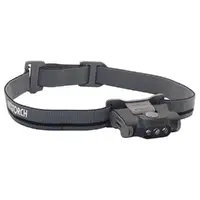
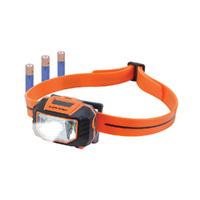
Selection factors include lumen output, beam spread, battery life, rechargeable battery option, comfort, helmet compatibility, and dust and moisture resistance. Use cases include ceiling spaces, under houses, switchboards, plant rooms, and after-hours fault calls. A reliable headlamp is one of the highest-value items in any apprentice starter kit.
Magnetic bases, hooks, folding stands, and adjustable output make a real difference on switchboard and machinery work. USB-C charging, replaceable batteries, runtime, impact resistance, and IP rating are the day-to-day differentiators. Sparky Direct stocks a range of torches and work lights aimed at trade conditions.
Switchboard layouts, conduit runs, cable tray, wall plate alignment, lighting layouts, and commercial fit-outs all benefit from a quality laser level. Green laser visibility is significantly stronger than red in bright daylight, which matters for outdoor and large commercial work. Tripod and bracket compatibility extends the useful range of any unit.
One generic gadget list rarely suits every electrician. The right kit depends on trade stage, work type, and daily site conditions. Use the categories below as a decision framework rather than a shopping list.
Apprentices should build kit gradually and prioritise safety-rated tools over novelty items. Guidance from a supervising electrician and employer requirements should drive the first purchases. Electrical tools sit alongside electrician hand tools and general hand tools in the Sparky Direct range.
Klein Tools built its reputation on insulated hand tools and trade-grade test gear. Other trusted names in the Sparky Direct range include Wiha, Felo, CABAC, Major Tech, Volt Safety, and Sterling. Brand selection should consider tool type, warranty, ergonomics, safety certification, spare parts availability, and local stock.
Other widely respected names in international tool comparisons include Knipex, Milwaukee, Wera, Hioki, Megger, and Uni-T. The honest answer is that the best brand depends on the specific gadget category and the work being done. Klein and Wiha are strong on insulated hand tools and screwdrivers, while Fluke is strong on premium test instruments. Major Tech offers competitive pricing across a wide testing range, and no single brand wins every category on its own.
Budget tools are acceptable for non-critical accessories, basic organisation, and occasional use. The areas where the case for investment is strongest are test equipment, insulated tools, torque tools, PPE-related gear, and any tool used daily. Total cost of ownership covers accuracy, warranty, calibration, replacement parts, and reduced callbacks, not just the sticker price.
Online electrical wholesalers suit tradies who value range, transparent pricing, fast ordering, and easy restocking. Sparky Direct is an Australian online electrical wholesaler aligned with the trade audience and stocks electrical test equipment, hand tools, safety gear, and job-site essentials from the brands above. Before buying any gadget, check safety ratings, product documentation, compatibility, warranty, and calibration requirements.
CAT ratings describe the electrical environment a meter is designed to handle safely. CAT II suits single-phase appliance work and bench testing, while CAT III suits distribution boards, switchgear, and fixed installations. CAT IV suits the supply side, including service entrance equipment and outdoor utility connections. Using a meter with the wrong rating in the wrong environment can be dangerous. Probe and lead ratings must match the meter rating, since the leads are part of the safety system.
| Compliance Element | What It Covers | Practical Implication |
|---|---|---|
| IEC 61010 | Safety standard for electrical test equipment | Look for compliance on multimeter datasheets |
| Calibration certificate | Verified accuracy at a known date | Required for compliance test contracts |
| Test records | Documentation of completed test results | Supports defect reports and warranties |
| Warranty support | Manufacturer or distributor backing | Reduces total cost of ownership |
Compliance test tools may need periodic calibration depending on business requirements and client expectations. Annual calibration is common for instruments used in formal compliance testing.
Licensed work only: Fixed wiring work, switchboard work, testing of live systems, and installation work must be performed by licensed electricians in accordance with AS/NZS 3000 and relevant state or territory electrical safety laws. This page covers gadget selection and planning, not step-by-step live testing or installation procedures.
For PPE and safety gear that supports compliant work, Sparky Direct stocks personal protective equipment including safety insulated gloves, safety glasses, knee pads, and safety lock out equipment for safe isolation work. Lockout kits and arc flash kits support higher-risk industrial work.
Diagnostic and safety tools should always come first in any electrician's kit purchase plan. Productivity gadgets follow once the essential testing and protection kit is in place. Trusted brands matter most for high-risk tools, while lower-cost accessories work fine where safety and accuracy are not compromised. Apprentices should build the kit progressively around the tools used every week on the jobs they actually do.
A tool bag matched to the size of the daily kit keeps everything organised and reduces lost time hunting for the right gadget.
Watch Major Tech MT876 | 600V AC/DC True RMS Multimeter video
Watch Klein Tools NCVT-3 | Non-Contact Voltage Tester Pen with Torch | 12-1000V AC video
Watch Major Tech TBP5-9 | Tool Backpack Electrical Kit video

The Scout Pro 3 is excellent value for money. It's a very capable tester and great for diagnostic work. For example it can test for mis-paired cables and it can also do a cable length test. I had one cable that was faulty. The tester was able to measure the length of each pair and I was able to determine where the break was in the faulty pair. This tester can't certify the bandwidth of the cable run, but it does just about everything else. For a low-cost tester it'll probably cover most needs. This unit is excellent value for money.
Massive time saver, honestly one of the best things I've ever bought. No more screwing around trying to lever the waste out of my holesaws, just *click* *click* and boom, onto the next hole. Not such a big deal over one or two holes, but give it a go next time you do a cut out and fit off. Absolutely brilliant.
After owning 1 pair of these snips I have to say that they are as sharp as the teeth of the Black Panther they are named after. A great addition to the tool kit. I have cut tissue paper and light aluminium and tin with ease. A few of my coulagues have also purchased the snips after trying mine. I have also purchased a second pair of snips for the kitchen at home as they are stainless steel and very easy to clean. A great tool for many applications.
Quality products in stock • Fast Australia-wide delivery • Competitive trade pricing
Browse Electrician Gadgets → Get Expert Advice →